Crm based platform: 5 Ultimate CRM Based Platform Solutions for Explosive Growth

In today’s hyper-connected business world, a powerful CRM based platform isn’t just a luxury—it’s a necessity. From automating customer interactions to streamlining sales pipelines, the right system can transform how you grow and retain clients. Let’s dive into what makes these platforms indispensable.
What Is a CRM Based Platform? Breaking Down the Basics

A CRM based platform, or Customer Relationship Management system, is a centralized digital environment designed to manage all your company’s interactions with current and potential customers. It collects data across multiple channels—email, phone, social media, and website—and organizes it into actionable insights.
Core Components of a CRM Based Platform
Every effective CRM based platform shares a few foundational elements that make it functional and scalable. These include contact management, interaction tracking, sales pipeline visualization, and reporting tools.
- Contact Databases: Stores customer information like names, emails, purchase history, and communication logs.
- Sales Automation: Automates repetitive tasks such as follow-up emails, appointment scheduling, and lead assignment.
- Analytics & Reporting: Delivers dashboards showing conversion rates, customer behavior trends, and team performance metrics.
Types of CRM Systems
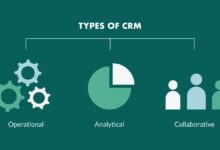
Not all CRM based platforms are created equal. Depending on your business needs, you might opt for one of three primary models: operational, analytical, or collaborative.
- Operational CRM: Focuses on automating sales, marketing, and service processes. Ideal for teams looking to streamline workflows.
- Analytical CRM: Emphasizes data analysis to understand customer behavior and improve decision-making.
- Collaborative CRM: Enhances communication between departments by sharing customer data across sales, support, and marketing.
“CRM is not just software; it’s a strategy for putting the customer at the center of everything you do.” — Paul Greenberg, author of CRM at the Speed of Light
Why Your Business Needs a CRM Based Platform
Adopting a CRM based platform can be a game-changer, especially in competitive markets where customer experience defines success. It’s more than just storing names and numbers—it’s about building relationships at scale.
Improved Customer Retention and Satisfaction
With a CRM based platform, every customer interaction is logged and accessible. This means support agents can pick up conversations seamlessly, sales reps know a client’s history, and marketing can personalize outreach. According to Salesforce’s State of Sales Report, companies using CRM see a 36% increase in customer satisfaction.
Enhanced Sales Productivity
Sales teams waste an average of 33% of their time on administrative tasks. A CRM based platform automates data entry, lead scoring, and follow-ups, freeing up time for actual selling. Features like pipeline management and forecasting tools help managers anticipate revenue and allocate resources efficiently.
Better Data Accuracy and Accessibility
Manual data entry leads to errors and silos. A centralized CRM based platform ensures that everyone—from marketing to finance—works from the same updated dataset. Cloud-based systems allow access from anywhere, supporting remote teams and mobile sales forces.
Top 5 CRM Based Platforms in 2024
The market is flooded with CRM solutions, but only a few deliver true value across industries. Here are the top five CRM based platforms that stand out for functionality, scalability, and user experience.
1. Salesforce Sales Cloud
Salesforce remains the gold standard in CRM based platforms. With its robust customization options, AI-powered insights (Einstein Analytics), and extensive app ecosystem via the AppExchange, it’s ideal for mid to large enterprises.
- Strengths: Scalability, integration capabilities, AI-driven forecasting.
- Best For: Enterprises needing deep customization and global deployment.
- Learn more at salesforce.com.
2. HubSpot CRM
HubSpot offers a free, user-friendly CRM based platform that’s perfect for startups and small businesses. Its strength lies in seamless integration between CRM, marketing, sales, and service hubs.
- Strengths: Intuitive interface, free tier, excellent onboarding.
- Best For: SMBs and inbound marketing-focused organizations.
- Explore at hubspot.com.
3. Zoho CRM
Zoho CRM is a cost-effective, feature-rich solution that balances power and simplicity. It includes AI assistant Zia, workflow automation, and strong mobile capabilities.
- Strengths: Affordable pricing, multi-channel support, AI integration.
- Best For: Growing businesses seeking scalability without high costs.
- Visit zoho.com/crm for details.
4. Microsoft Dynamics 365
For organizations already using Microsoft 365, Dynamics 365 offers a natural extension. It integrates tightly with Outlook, Teams, and Excel, making it a favorite among enterprise users.
- Strengths: Deep Microsoft ecosystem integration, strong ERP linkage.
- Best For: Large corporations using Microsoft infrastructure.
- Discover more at dynamics.microsoft.com.
5. Pipedrive
Pipedrive is built for sales-first companies. Its visual pipeline interface makes it easy to track deals and manage follow-ups, making it a favorite among sales reps.
- Strengths: Visual sales pipeline, ease of use, automation workflows.
- Best For: Sales-driven startups and small teams.
- Check it out at pipedrive.com.
Key Features to Look for in a CRM Based Platform
Choosing the right CRM based platform means evaluating features that align with your business goals. Not every tool needs AI or advanced analytics, but certain capabilities are non-negotiable for long-term success.
Contact and Lead Management
The backbone of any CRM based platform is its ability to capture, organize, and nurture leads. Look for systems that allow custom fields, tagging, lead scoring, and segmentation. These features help prioritize high-value prospects and personalize outreach.
Automation and Workflow Tools
Automation reduces manual work and ensures consistency. Key automations include email sequences, task assignments, reminder alerts, and status updates. Advanced platforms offer conditional workflows—triggering actions based on user behavior or data changes.
Integration Capabilities
Your CRM based platform shouldn’t exist in isolation. It must integrate with tools like email marketing (Mailchimp), telephony (RingCentral), e-commerce (Shopify), and accounting software (QuickBooks). APIs and pre-built connectors are essential for smooth data flow.
How to Implement a CRM Based Platform Successfully
Even the best CRM based platform will fail without proper implementation. A strategic rollout ensures adoption, minimizes disruption, and maximizes ROI.
Define Clear Objectives
Before selecting a platform, identify what you want to achieve: faster sales cycles, better customer service, or improved marketing ROI. Clear goals guide vendor selection and customization.
Data Migration and Cleaning
Moving data from spreadsheets or legacy systems requires planning. Clean your data first—remove duplicates, standardize formats, and verify contact information. Poor data quality undermines even the most advanced CRM based platform.
Team Training and Change Management
User adoption is the biggest hurdle. Provide hands-on training, create internal champions, and offer ongoing support. According to Nucleus Research, every dollar spent on CRM training returns $8.87 in benefits.
Customization and Scalability of CRM Based Platforms
A one-size-fits-all approach rarely works. The best CRM based platforms offer flexibility to adapt as your business evolves.
Custom Fields and Modules
Every business has unique data needs. Whether you’re tracking project milestones, service contracts, or customer preferences, custom fields allow you to capture relevant information without cluttering the interface.
API Access and Third-Party Development
For advanced customization, API access is crucial. It enables developers to build custom integrations, extend functionality, and connect with proprietary systems. Platforms like Salesforce and Zoho offer robust APIs with extensive documentation.
Scalability for Growing Businesses
As your customer base grows, your CRM based platform must handle increased data volume, user count, and transaction frequency. Cloud-native solutions typically scale better than on-premise systems, offering elastic resources and global availability.
Measuring the ROI of Your CRM Based Platform
Investing in a CRM based platform is only justified if it delivers measurable returns. Tracking ROI involves both quantitative and qualitative metrics.
Sales Performance Metrics
Monitor changes in average deal size, sales cycle length, win rates, and quota attainment. A well-implemented CRM based platform should shorten sales cycles by 10–15% and increase win rates by up to 30%, according to industry benchmarks.
Customer Retention and Lifetime Value
Track customer churn rate, repeat purchase rate, and customer lifetime value (CLV). CRM systems that enable personalized engagement often boost CLV by 20% or more over time.
Operational Efficiency Gains
Measure time saved on administrative tasks, reduction in duplicate entries, and improved team collaboration. These efficiency gains translate into lower operational costs and higher employee satisfaction.
Future Trends Shaping CRM Based Platforms
The CRM landscape is evolving rapidly, driven by AI, automation, and changing customer expectations. Staying ahead means understanding where the technology is headed.
AI-Powered Predictive Analytics
Modern CRM based platforms use artificial intelligence to predict customer behavior, recommend next-best actions, and forecast sales. Salesforce Einstein and Zia from Zoho are early examples, but expect more intuitive, self-learning systems in the near future.
Hyper-Personalization and Customer Journeys
Customers expect personalized experiences at every touchpoint. Next-gen CRM based platforms map entire customer journeys, delivering tailored content, offers, and support based on real-time behavior and historical data.
Integration with Emerging Technologies
CRM systems are increasingly integrating with voice assistants, IoT devices, and augmented reality. For example, a service technician using AR glasses can pull up a customer’s service history from the CRM while on-site, improving resolution speed and accuracy.
What is a CRM based platform?
A CRM based platform is a software system designed to manage a company’s interactions with current and potential customers. It centralizes customer data, automates sales and marketing processes, and provides insights to improve relationships and drive revenue growth.
How does a CRM based platform improve sales?
It improves sales by providing a clear view of the sales pipeline, automating follow-ups, tracking customer interactions, and offering forecasting tools. This leads to shorter sales cycles, higher conversion rates, and better team accountability.
Can small businesses benefit from a CRM based platform?
Absolutely. Many CRM based platforms like HubSpot and Zoho offer free or low-cost plans tailored for small businesses. These tools help SMBs compete with larger companies by professionalizing customer management and scaling operations efficiently.
What should I look for when choosing a CRM based platform?
Key factors include ease of use, integration capabilities, scalability, mobile access, customer support, and pricing. It’s also important to assess whether the platform aligns with your specific business processes and growth goals.
How long does it take to implement a CRM based platform?
Implementation time varies from a few days for simple systems like HubSpot to several months for complex enterprise deployments like Salesforce. Factors include data migration, customization, team size, and training requirements.
Adopting a CRM based platform is no longer optional—it’s a strategic imperative. From enhancing customer relationships to driving operational efficiency, the right system can transform how your business operates. Whether you’re a startup or a global enterprise, investing in a robust, scalable CRM solution pays dividends in customer loyalty, sales performance, and long-term growth. The future of business is relationship-driven, and a powerful CRM based platform is your most valuable ally in that journey.
Recommended for you 👇
Further Reading: