In today’s hyper-connected world, businesses can’t afford to treat customers like numbers. CRM based communication is the game-changer—blending technology, data, and human touch to build real relationships. Let’s dive into how it’s reshaping the future of customer engagement.
What Is CRM Based Communication?

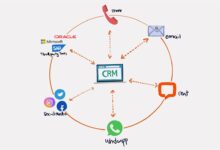
CRM based communication refers to the strategic use of Customer Relationship Management (CRM) systems to manage, streamline, and personalize interactions with customers across multiple channels. It’s not just about storing contact details—it’s about leveraging data to deliver timely, relevant, and meaningful messages that foster loyalty and drive growth.
The Evolution from Traditional to CRM-Driven Communication
Traditional customer communication was often one-size-fits-all—mass emails, generic calls, and broad marketing campaigns. But as customer expectations evolved, so did the tools. CRM platforms emerged as central hubs, integrating sales, marketing, and service data to enable targeted, data-driven conversations.
- Pre-CRM era: Manual tracking, fragmented data, inconsistent messaging.
- Early CRM: Basic contact management and sales tracking.
- Modern CRM: AI-powered insights, omnichannel engagement, real-time personalization.
“CRM is no longer a back-office tool—it’s the front line of customer experience.” — Forbes
Core Components of CRM Based Communication
Effective CRM based communication relies on several interconnected elements that work together to create a seamless customer journey.
- Customer Data Hub: A centralized database that collects and organizes customer information—purchase history, preferences, support tickets, and engagement metrics.
- Automation Tools: Workflow automation for emails, follow-ups, task assignments, and lead nurturing, reducing manual effort and increasing consistency.
- Multi-Channel Integration: The ability to communicate via email, SMS, social media, live chat, and phone—all within a single platform.
Platforms like Salesforce and HubSpot exemplify how modern CRMs unify these components to deliver cohesive communication strategies.
Why CRM Based Communication Is a Game-Changer
The shift to CRM based communication isn’t just a trend—it’s a necessity for businesses aiming to stay competitive. Companies that leverage CRM systems report higher customer satisfaction, increased retention, and improved sales conversion rates.
Enhanced Personalization at Scale
One of the biggest advantages of CRM based communication is the ability to personalize interactions without sacrificing efficiency. By analyzing customer behavior and preferences, businesses can send tailored messages that resonate on an individual level.
- Dynamic email content based on past purchases.
- Personalized product recommendations using browsing history.
- Targeted promotions for specific customer segments (e.g., loyal customers, inactive users).
For example, Amazon uses CRM-like systems to recommend products based on user behavior, contributing to 35% of its total sales through personalized suggestions.
Improved Customer Retention and Loyalty
Retaining a customer is up to 5x cheaper than acquiring a new one. CRM based communication helps nurture long-term relationships by ensuring consistent, relevant engagement.
- Automated birthday or anniversary messages with special offers.
- Proactive support alerts based on usage patterns.
- Feedback loops that show customers their opinions matter.
A study by Nucleus Research found that CRM systems can increase customer retention rates by up to 27%, directly impacting revenue and brand loyalty.
Streamlined Internal Collaboration
CRM based communication isn’t just external—it transforms internal workflows. Sales, marketing, and customer service teams gain access to the same customer data, reducing silos and miscommunication.
- Sales reps see marketing engagement history before making a call.
- Support agents view past interactions to resolve issues faster.
- Marketing teams align campaigns with sales feedback.
This alignment leads to a unified customer experience, where every touchpoint feels connected and intentional.
Key Features of Effective CRM Communication Systems
Not all CRM platforms are created equal. The most effective ones offer robust communication features that go beyond basic contact management. Let’s explore the essential functionalities that make CRM based communication powerful.
Omnichannel Communication Integration
Customers expect to interact with brands on their preferred channels—whether it’s WhatsApp, email, or Instagram. A strong CRM integrates these channels into a single interface.
- Unified inbox for managing messages across platforms.
- Channel-specific templates and automation rules.
- Real-time sync of customer interactions across devices.
For instance, Zendesk offers omnichannel support that routes customer inquiries to the right agent based on channel, issue type, and availability.
AI-Powered Insights and Predictive Analytics
Modern CRMs use artificial intelligence to analyze communication patterns and predict customer behavior.
- Sentiment analysis of customer emails and chats.
- Predictive lead scoring to prioritize high-value prospects.
- Next-best-action recommendations for sales reps.
Microsoft Dynamics 365, for example, uses AI to suggest optimal times to contact leads, improving response rates by up to 40%.
Automated Workflows and Drip Campaigns
Automation is the backbone of scalable CRM based communication. It ensures no lead falls through the cracks and every customer receives timely follow-ups.
- Drip email sequences for onboarding new users.
- Task reminders for account managers before contract renewals.
- Trigger-based messages (e.g., abandoned cart emails).
According to HubSpot, companies using marketing automation see a 451% increase in qualified leads, proving the power of well-designed workflows.
How CRM Based Communication Enhances Customer Experience
Customer experience (CX) is now a key differentiator in competitive markets. CRM based communication plays a pivotal role in shaping positive, memorable interactions at every stage of the customer journey.
Personalized Onboarding and Welcome Journeys
The first few interactions set the tone for the entire relationship. CRM systems enable businesses to design personalized onboarding sequences that guide new customers effectively.
- Automated welcome emails with tutorial videos.
- Personalized check-in calls based on user activity.
- Milestone-based rewards (e.g., “You’ve completed your first purchase!”).
Dropbox uses CRM-driven onboarding to reduce time-to-value, increasing user activation by 10%.
Proactive Support and Issue Resolution
Instead of waiting for customers to report problems, CRM based communication allows companies to anticipate and resolve issues before they escalate.
- Alerts when a customer’s subscription is about to expire.
- Automated surveys after a support ticket is closed.
- Usage-based recommendations (e.g., “You’re nearing your data limit”).
Apple’s CRM system tracks device usage and service history, enabling support teams to offer preemptive solutions during calls.
Building Emotional Connection Through Data
Data isn’t just about transactions—it reveals emotional cues. CRM based communication helps brands recognize moments that matter.
- Sending a thank-you note after a major purchase.
- Reaching out after a negative review with a sincere apology.
- Celebrating customer milestones (e.g., “Happy 1-year anniversary with us!”).
“People will forget what you said, but they’ll never forget how you made them feel.” — Maya Angelou
By combining data with empathy, CRM transforms communication from transactional to relational.
Implementing CRM Based Communication: A Step-by-Step Guide
Adopting CRM based communication requires more than just buying software. It demands a strategic approach to integration, training, and continuous optimization.
Step 1: Define Your Communication Goals
Before selecting a CRM, clarify what you want to achieve. Common goals include:
- Reducing response time to customer inquiries.
- Increasing email open and click-through rates.
- Improving cross-sell and upsell success.
Aligning CRM implementation with business objectives ensures measurable outcomes.
Step 2: Choose the Right CRM Platform
Not all CRMs are built for communication. Look for platforms with strong marketing automation, customer service, and integration capabilities.
- Salesforce: Best for large enterprises needing deep customization.
- HubSpot: Ideal for SMBs with user-friendly automation tools.
- Zoho CRM: Cost-effective with robust communication features.
Consider scalability, ease of use, and third-party app integrations when making your choice.
Step 3: Integrate Data from All Touchpoints
A CRM is only as good as the data it contains. Connect your website, social media, email, and support systems to create a 360-degree customer view.
- Use APIs to sync data from e-commerce platforms like Shopify.
- Integrate Google Analytics for behavioral insights.
- Import existing customer lists with proper consent.
Poor data integration leads to fragmented communication—avoid this at all costs.
Step 4: Train Your Team and Establish Workflows
Even the best CRM fails without proper adoption. Train employees on how to use the system for daily communication tasks.
- Conduct role-specific training (sales vs. support).
- Create standard operating procedures (SOPs) for common scenarios.
- Encourage feedback to refine processes over time.
Regular training sessions and internal documentation boost confidence and consistency.
Step 5: Monitor, Measure, and Optimize
CRM based communication is not a “set and forget” system. Continuously track KPIs and refine your approach.
- Monitor email open rates, response times, and conversion rates.
- Use A/B testing for subject lines and message content.
- Review customer satisfaction (CSAT) and Net Promoter Score (NPS).
Tools like Optimizely can help run experiments to optimize communication effectiveness.
Common Challenges in CRM Based Communication (And How to Overcome Them)
Despite its benefits, implementing CRM based communication comes with hurdles. Recognizing these challenges early can prevent costly mistakes.
Data Quality and Silos
Inaccurate or incomplete data undermines personalization. Duplicate entries, outdated contact info, and isolated departmental databases are common issues.
- Solution: Implement data validation rules and regular audits.
- Use master data management (MDM) tools to unify records.
- Enforce data entry standards across teams.
According to Gartner, poor data quality costs organizations an average of $12.9 million annually—investing in data hygiene pays off.
Over-Automation and Loss of Human Touch
While automation saves time, over-reliance can make communication feel robotic and impersonal.
- Solution: Balance automation with human intervention.
- Use AI to flag high-priority customers for personal follow-up.
- Allow agents to customize automated messages before sending.
Customers appreciate efficiency but crave authenticity—find the sweet spot.
Resistance to Change and Low Adoption
Employees may resist using a new CRM due to complexity or fear of job displacement.
- Solution: Involve teams in the selection process.
- Highlight time-saving benefits and career growth opportunities.
- Appoint internal champions to drive adoption.
Change management is as crucial as the technology itself.
Future Trends in CRM Based Communication
The future of CRM based communication is dynamic, driven by AI, real-time data, and evolving customer expectations. Staying ahead means embracing innovation.
AI and Conversational CRM
Chatbots and virtual assistants are becoming smarter, handling complex queries and escalating to humans when needed.
- Natural language processing (NLP) enables understanding of customer intent.
- AI-powered chatbots can access CRM data to provide personalized responses.
- Conversational AI reduces response time from hours to seconds.
Companies like Intercom are leading the charge in conversational CRM, blending automation with human empathy.
Real-Time Personalization and Contextual Messaging
Future CRMs will deliver messages based on real-time behavior—like sending a discount when a user hesitates on a checkout page.
- Integration with IoT devices for contextual alerts.
- Location-based offers via mobile apps.
- Behavior-triggered content in emails and ads.
Real-time CRM communication turns moments of intent into immediate action.
Privacy-First Communication Strategies
With increasing data regulations (GDPR, CCPA), trust is paramount. Future CRM systems will prioritize consent and transparency.
- Granular opt-in preferences for communication channels.
- Clear data usage policies visible to customers.
- Self-service portals for customers to manage their data.
Brands that respect privacy will earn long-term loyalty in the post-cookie era.
Real-World Examples of Successful CRM Based Communication
Theory is great, but real-world success stories prove the impact of CRM based communication. Let’s look at how leading companies are doing it right.
Starbucks: Personalization Through Mobile and CRM
Starbucks’ mobile app integrates with its CRM to deliver hyper-personalized offers based on purchase history, location, and time of day.
- Customers receive drink recommendations before their usual visit.
- Loyalty rewards are automatically applied.
- Push notifications for limited-time offers increase urgency.
This strategy has helped Starbucks achieve over $3 billion in mobile payments annually.
Sephora: Beauty Insider and Omnichannel Engagement
Sephora’s CRM powers its Beauty Insider program, tracking purchases, preferences, and in-store consultations.
- Personalized product suggestions via email and app.
- VIP events and early access for top-tier members.
- Seamless experience between online and in-store shopping.
The result? Beauty Insiders spend 2.5x more than non-members.
Amazon: Predictive Communication and Proactive Service
Amazon uses CRM-like systems to anticipate needs and communicate proactively.
- Delivery delay alerts with revised timelines.
- Subscription reminders for consumables (e.g., printer ink).
- Post-purchase follow-ups with related product suggestions.
This level of service has made Amazon synonymous with customer-centricity.
What is CRM based communication?
CRM based communication is the strategic use of Customer Relationship Management systems to manage and personalize interactions with customers across various channels. It leverages data, automation, and analytics to deliver relevant, timely, and consistent messages that enhance customer experience and drive business growth.
How does CRM improve customer communication?
CRM improves communication by centralizing customer data, enabling personalization, automating routine tasks, and providing insights into customer behavior. This leads to faster response times, more relevant messaging, and stronger relationships across the customer lifecycle.
What are the best CRM tools for communication?
Top CRM tools for communication include Salesforce, HubSpot, Zendesk, Zoho CRM, and Microsoft Dynamics 365. These platforms offer robust features like email automation, omnichannel support, AI insights, and seamless integrations to enhance customer engagement.
Can small businesses benefit from CRM based communication?
Absolutely. Small businesses can use affordable CRM systems like HubSpot or Zoho to automate follow-ups, track customer interactions, and deliver personalized experiences—helping them compete with larger companies and build loyal customer bases.
Is CRM based communication secure and compliant?
Yes, reputable CRM platforms offer data encryption, access controls, and compliance with regulations like GDPR and CCPA. However, businesses must configure privacy settings correctly and ensure proper data handling practices to maintain security and trust.
CRM based communication is no longer optional—it’s essential for any business that wants to build lasting customer relationships. From personalized messaging and automated workflows to AI-driven insights and omnichannel engagement, CRM systems empower organizations to communicate smarter, faster, and more meaningfully. By understanding its components, overcoming common challenges, and staying ahead of trends, companies can transform their customer interactions into a powerful competitive advantage. The future of communication is not just digital—it’s intelligent, integrated, and customer-first.
Further Reading:
