In today’s fast-paced digital world, a cloud based saas crm solution is no longer a luxury—it’s a necessity. Discover how this powerful tool transforms customer relationships, boosts sales, and scales with your business effortlessly.
What Is a Cloud Based SaaS CRM Solution?

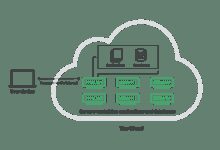
A cloud based saas crm solution is a customer relationship management system hosted on remote servers and delivered via the internet as a subscription service. Unlike traditional on-premise CRM software, it eliminates the need for physical infrastructure, offering instant access from anywhere with an internet connection.
Definition and Core Concept
The term ‘cloud based saas crm solution’ combines three critical technologies: cloud computing, Software-as-a-Service (SaaS), and CRM functionality. Cloud computing refers to the delivery of computing services—including storage, processing, and networking—over the internet. SaaS is a software distribution model where applications are hosted by a third-party provider and made available to customers over the web. CRM, or Customer Relationship Management, encompasses strategies, practices, and technologies that companies use to manage and analyze customer interactions and data throughout the customer lifecycle.
Together, these elements form a powerful ecosystem that enables businesses to streamline sales, marketing, and customer service operations without the burden of maintaining complex IT infrastructure. According to Gartner, SaaS now dominates enterprise software adoption due to its scalability, lower upfront costs, and faster deployment cycles.
How It Differs From On-Premise CRM
Traditional on-premise CRM systems require organizations to purchase licenses, install software on local servers, and manage ongoing maintenance, updates, and security. This model often involves significant capital expenditure (CapEx), longer implementation timelines, and limited flexibility.
In contrast, a cloud based saas crm solution operates on a pay-as-you-go subscription model (OpEx), drastically reducing initial investment. Updates are automatically rolled out by the provider, ensuring users always have access to the latest features. Additionally, cloud solutions offer superior scalability—businesses can easily add or remove users, upgrade plans, or integrate new tools based on evolving needs.
“The shift from on-premise to cloud-based CRM has been one of the most transformative trends in business technology over the past decade.” — Salesforce Research
Top 7 Benefits of a Cloud Based SaaS CRM Solution
Adopting a cloud based saas crm solution brings a wealth of advantages that directly impact efficiency, customer satisfaction, and revenue growth. Below are seven game-changing benefits that make this technology indispensable for modern businesses.
1. Instant Accessibility and Remote Work Enablement
One of the most compelling advantages of a cloud based saas crm solution is its ability to provide real-time access from any device with an internet connection. Whether your sales team is working from home, traveling, or meeting clients on-site, they can instantly retrieve customer data, update records, and close deals.
This level of accessibility supports hybrid and remote work models, which have become standard post-pandemic. Tools like mobile CRM apps, browser-based dashboards, and offline sync capabilities ensure seamless productivity regardless of location.
- Access CRM data from smartphones, tablets, and laptops
- Support for distributed teams across time zones
- Real-time collaboration between departments
2. Rapid Deployment and Time-to-Value
Unlike legacy systems that can take months to implement, a cloud based saas crm solution can be up and running in days or even hours. Most providers offer intuitive setup wizards, pre-built templates, and guided onboarding processes that accelerate adoption.
For example, platforms like HubSpot and Zoho CRM allow businesses to import contacts, configure workflows, and start engaging customers within a single workweek. This rapid deployment translates into faster ROI and quicker alignment with business goals.
According to a report by Nucleus Research, companies using cloud CRM achieve a 3x faster return on investment compared to on-premise alternatives.
3. Cost Efficiency and Predictable Pricing
A cloud based saas crm solution eliminates the need for expensive hardware, dedicated IT staff, and ongoing maintenance fees. Instead, businesses pay a predictable monthly or annual subscription fee based on the number of users and features required.
This operational expenditure (OpEx) model improves cash flow management and allows SMEs to access enterprise-grade tools previously reserved for large corporations. Additional savings come from reduced downtime, automatic backups, and integrated security measures.
- No upfront server or licensing costs
- Scalable pricing tiers to match business size
- Lower total cost of ownership (TCO) over time
Key Features of a Modern Cloud Based SaaS CRM Solution
To fully leverage the power of a cloud based saas crm solution, it’s essential to understand the core features that drive performance and user satisfaction. These functionalities are designed to automate workflows, enhance visibility, and improve decision-making across departments.
Contact and Lead Management
At the heart of every CRM is the ability to organize and track customer information. A cloud based saas crm solution centralizes contact details, communication history, deal stages, and interaction logs in a single, searchable database.
Advanced systems use AI-powered lead scoring to prioritize high-value prospects based on behavior, engagement, and demographic data. Sales teams can then focus their efforts on leads most likely to convert, increasing win rates and shortening sales cycles.
- Unified customer profiles with complete interaction history
- Automated lead capture from web forms, emails, and social media
- Smart segmentation for targeted outreach
Sales Automation and Pipeline Tracking
Sales automation is a cornerstone feature of any effective cloud based saas crm solution. It reduces manual tasks such as data entry, follow-up reminders, and quote generation, freeing up time for relationship-building activities.
Pipeline tracking provides visual representations of deals in progress, helping managers identify bottlenecks, forecast revenue accurately, and allocate resources efficiently. Customizable stages, drag-and-drop interfaces, and real-time dashboards make it easy to monitor performance at a glance.
“Sales teams using automation tools see a 14.5% increase in productivity.” — McKinsey & Company
Marketing Integration and Campaign Management
Modern cloud based saas crm solution platforms integrate seamlessly with email marketing, social media, and advertising tools. This enables coordinated multi-channel campaigns that deliver personalized messages based on customer behavior and preferences.
Features like automated email sequences, landing page builders, and A/B testing allow marketers to launch, track, and optimize campaigns directly within the CRM. Performance metrics such as open rates, click-through rates, and conversion tracking provide actionable insights for continuous improvement.
- Synchronize CRM data with marketing automation tools
- Create dynamic customer journeys based on triggers
- Measure campaign ROI with built-in analytics
How to Choose the Right Cloud Based SaaS CRM Solution
Selecting the ideal cloud based saas crm solution requires careful evaluation of your business needs, budget, and long-term objectives. With dozens of vendors offering varying levels of functionality, making an informed decision is crucial to maximizing value.
Assess Your Business Requirements
Start by identifying the specific challenges you want the CRM to solve. Are you struggling with disorganized customer data? Do your sales teams lack visibility into deal progress? Is marketing unable to measure campaign effectiveness?
Conduct stakeholder interviews across sales, marketing, customer service, and IT to gather input on desired features, pain points, and integration needs. Document key use cases such as lead nurturing, account management, or post-sale support to guide your selection process.
Evaluate Scalability and Customization Options
Your chosen cloud based saas crm solution should grow with your business. Look for platforms that offer flexible pricing plans, modular add-ons, and robust API access for future expansion.
Customization is equally important—ensure the system allows you to tailor fields, workflows, dashboards, and reports to match your unique processes. Low-code or no-code configuration tools empower non-technical users to make changes without relying on developers.
- Support for hundreds or thousands of users as you scale
- Ability to create custom objects and automation rules
- White-labeling options for client-facing portals
Check Integration Capabilities
A cloud based saas crm solution is only as powerful as its ability to connect with other tools in your tech stack. Common integrations include email platforms (Gmail, Outlook), calendar apps, ERP systems, e-commerce stores, and customer support software.
Verify whether the CRM supports native integrations, third-party marketplaces (like Zapier or Make), or open APIs for custom development. Seamless data flow between systems prevents silos and ensures consistency across departments.
For instance, integrating your CRM with Zapier allows automatic synchronization of form submissions, social media leads, and support tickets into your CRM database.
Top Cloud Based SaaS CRM Solutions in 2024
The market for cloud based saas crm solution platforms is highly competitive, with several leaders offering comprehensive suites tailored to different business sizes and industries. Below is an overview of the top contenders shaping the landscape in 2024.
Salesforce Sales Cloud
Salesforce remains the global leader in CRM, powering over 150,000 companies worldwide. Its Sales Cloud offers a full-featured cloud based saas crm solution with advanced AI (Einstein Analytics), workflow automation, and extensive app ecosystem via the AppExchange.
Ideal for mid-sized to large enterprises, Salesforce provides deep customization, multi-currency support, and global compliance features. While powerful, it can require significant training and may be overkill for small businesses.
- AI-driven insights and forecasting
- Over 3,000 pre-built integrations
- Strong mobile app with offline access
HubSpot CRM
HubSpot offers a user-friendly, free-tier cloud based saas crm solution that’s perfect for startups and small businesses. Its strength lies in seamless integration between CRM, marketing, sales, and service hubs, enabling end-to-end customer journey management.
The platform excels in automation, email tracking, and content personalization. Paid tiers unlock advanced reporting, custom objects, and service desk functionality. HubSpot’s educational resources and community support make onboarding smooth and effective.
- Free plan with core CRM features
- Intuitive drag-and-drop workflow builder
- Excellent onboarding and training materials
Zoho CRM
Zoho CRM delivers exceptional value with a rich feature set at competitive pricing. As part of the broader Zoho One suite, it integrates effortlessly with over 40 business applications, including finance, HR, and project management tools.
Its AI assistant, Zia, provides predictive lead scoring, sentiment analysis, and voice commands. Zoho CRM is particularly popular among SMBs looking for affordability without sacrificing functionality.
Learn more about Zoho’s capabilities at Zoho CRM Official Site.
- AI-powered sales assistant (Zia)
- Multi-channel communication (email, phone, social)
- Built-in telephony and meeting scheduling
Implementation Best Practices for a Cloud Based SaaS CRM Solution
Even the most advanced cloud based saas crm solution will underperform if not implemented correctly. Following proven best practices ensures smooth adoption, data integrity, and long-term success.
Data Migration and Cleansing
Migrating existing customer data into a new CRM is often the first major hurdle. Poor data quality—duplicates, outdated entries, inconsistent formatting—can undermine trust in the system and lead to inaccurate reporting.
Before migration, conduct a thorough audit of your current databases. Remove redundant records, standardize naming conventions, and validate email addresses and phone numbers. Use CSV import tools or professional ETL (Extract, Transform, Load) services to ensure clean, structured data transfer.
“Poor data quality costs businesses an average of $12.9 million annually.” — Gartner
User Training and Change Management
Resistance to change is a common challenge during CRM rollouts. To drive adoption, invest in comprehensive training programs tailored to different user roles—sales reps, marketers, managers, and admins.
Offer live workshops, video tutorials, and quick-reference guides. Appoint internal champions who can mentor colleagues and provide peer support. Regular feedback loops help identify usability issues and inform iterative improvements.
- Role-based training modules
- Ongoing support through help desks or knowledge bases
- Incentives for early adopters and consistent users
Continuous Optimization and Feedback Loops
A cloud based saas crm solution is not a ‘set and forget’ tool. Regular reviews of usage patterns, workflow efficiency, and user feedback are essential for maximizing its potential.
Leverage built-in analytics to identify underutilized features, bottlenecks in sales processes, or gaps in data collection. Schedule quarterly optimization sessions to refine automation rules, update dashboards, and align the CRM with evolving business strategies.
Encourage users to submit suggestions through surveys or suggestion boxes. Many vendors, like Salesforce and HubSpot, incorporate customer feedback into their product roadmaps.
Security and Compliance in Cloud Based SaaS CRM Solutions
As businesses entrust sensitive customer data to third-party platforms, security and regulatory compliance are paramount concerns when adopting a cloud based saas crm solution.
Data Encryption and Access Controls
Reputable providers employ end-to-end encryption for data both in transit and at rest. This means that even if data is intercepted or accessed without authorization, it remains unreadable.
Granular role-based access controls (RBAC) allow administrators to define exactly who can view, edit, or delete specific records. Two-factor authentication (2FA) and single sign-on (SSO) further enhance account security.
- SSL/TLS encryption for secure data transmission
- Advanced permissions settings for team members
- Session timeout and login attempt monitoring
Compliance with Global Regulations
A robust cloud based saas crm solution must comply with major data protection laws such as GDPR (Europe), CCPA (California), HIPAA (healthcare), and SOC 2 (security auditing). These standards ensure that customer data is collected, stored, and processed legally and ethically.
Vendors typically publish compliance certifications and undergo regular third-party audits. Always verify these credentials before signing a contract, especially if you operate in regulated industries.
For detailed guidance on GDPR compliance, visit GDPR Information Portal.
“Over 60% of data breaches involve compromised credentials.” — Verizon Data Breach Investigations Report
Future Trends Shaping Cloud Based SaaS CRM Solutions
The evolution of cloud based saas crm solution technology is accelerating, driven by advancements in artificial intelligence, automation, and customer expectations. Staying ahead of these trends ensures your business remains competitive and responsive.
AI and Predictive Analytics
Artificial intelligence is transforming CRM from a reactive tool into a proactive advisor. AI-powered features like predictive lead scoring, next-best-action recommendations, and sentiment analysis enable smarter decision-making.
For example, Salesforce Einstein can predict which deals are most likely to close and suggest optimal follow-up times. Similarly, HubSpot uses machine learning to recommend content personalized to individual leads.
- Automated data entry using natural language processing
- Forecasting sales trends based on historical patterns
- Chatbots for instant customer support
Hyper-Personalization and Customer Experience
Customers today expect personalized experiences at every touchpoint. A modern cloud based saas crm solution enables hyper-personalization by aggregating data from multiple channels—website visits, email opens, purchase history, and social media activity.
This holistic view allows businesses to deliver relevant offers, content, and support tailored to individual preferences. Personalization not only increases conversion rates but also fosters loyalty and lifetime value.
Integration with Emerging Technologies
The future of CRM extends beyond traditional software. Integration with emerging technologies like IoT (Internet of Things), augmented reality (AR), and voice assistants is opening new avenues for engagement.
Imagine a field service technician using AR glasses connected to the CRM to view a customer’s service history while repairing equipment. Or a smart home device triggering a service ticket automatically when a fault is detected—all synchronized through a cloud based saas crm solution.
These innovations are already being piloted by forward-thinking companies and will become mainstream in the coming years.
What is a cloud based saas crm solution?
A cloud based saas crm solution is a web-hosted customer relationship management system delivered as a subscription service. It allows businesses to manage customer interactions, automate sales processes, and improve marketing effectiveness—all without needing on-site servers or complex installations.
Is a cloud CRM secure?
Yes, reputable cloud based saas crm solution providers implement enterprise-grade security measures including data encryption, multi-factor authentication, regular audits, and compliance with international standards like GDPR and SOC 2. In many cases, cloud CRM is more secure than on-premise systems due to continuous monitoring and updates.
Can small businesses benefit from a cloud based saas crm solution?
Absolutely. Cloud based saas crm solution platforms like HubSpot, Zoho CRM, and Insightly offer affordable pricing plans, easy setup, and scalable features ideal for small businesses. They help level the playing field by providing access to sophisticated tools traditionally available only to large enterprises.
How much does a cloud based saas crm solution cost?
Pricing varies by provider and features, but most start at around $10–$50 per user per month. Some, like HubSpot CRM, offer a free plan with essential features. Enterprise solutions with advanced AI and customization can cost $100+ per user monthly.
How long does it take to implement a cloud based saas crm solution?
Implementation time depends on complexity, but many cloud based saas crm solution systems can be deployed in 1–4 weeks. Simple setups with minimal customization may go live in just a few days, while large-scale rollouts with integrations and training might take several months.
Adopting a cloud based saas crm solution is one of the most strategic moves a business can make in the digital age. From enhancing customer relationships to driving operational efficiency, the benefits are profound and measurable. By understanding its core features, selecting the right platform, and following best practices for implementation, organizations of all sizes can unlock unprecedented growth and competitiveness. As technology continues to evolve, staying agile and informed will ensure your CRM remains a powerful asset for years to come.
Further Reading:
